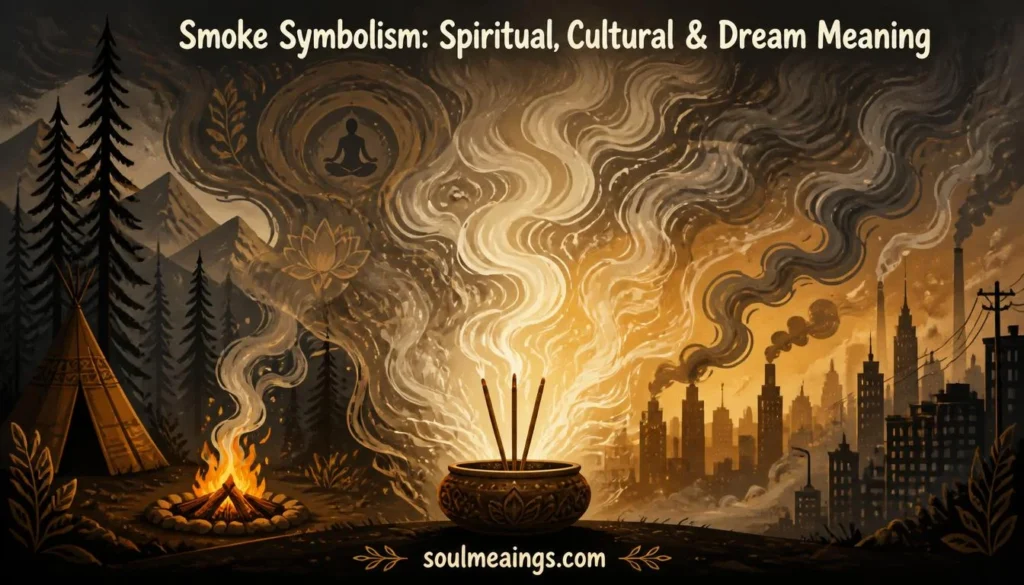
Smoke Symbolism: Spiritual, Cultural & Dream Meaning explores how smoke represents transformation, mystery, and spiritual connection across cultures, dreams, and daily life.
Smoke symbolism has fascinated people for centuries. Its fleeting nature and drifting movement make it a powerful symbol of impermanence, reminding us that nothing lasts forever.
Across ancient cultures, religious traditions, and modern interpretations, smoke represents life changes, personal growth, and inner transformation. It connects the physical world with the spiritual world, offering deeper insight into human experiences and cultural beliefs.
In sacred ceremonies, incense, sacred smoke, and rituals symbolize prayers, guidance, purification, and divine communication. Smoke can also represent hidden truths, warning, and uncertainty.
In dream interpretation, dark smoke may suggest confusion, hidden issues, or unclear situations, while rising smoke may symbolize hope, transition, and a new beginning. These meanings show how smoke symbolism connects with emotions, spiritual awareness, and the subconscious mind.
Quick Answer
Smoke symbolism often represents transformation, mystery, spiritual connection, and emotional release in American culture. Smoke can also symbolize warning, hidden truth, grief, cleansing, or transition depending on its color, source, and setting. Spiritually, many people associate smoke with prayers rising upward or communication between worlds.
TL;DR
• Smoke often symbolizes change and transformation.
• In America, smoke can suggest danger or nostalgia.
• Spiritual traditions connect smoke with prayer and cleansing.
• Dream symbolism usually links smoke with confusion or hidden emotions.
• Modern tattoos use smoke for mystery and impermanence.
• Smoke meanings shift based on color, movement, and context.
What Smoke Symbolism Represents
Smoke symbolism matters because people instinctively react to it emotionally. Americans often connect smoke with both comfort and danger, making it one of the most emotionally layered symbols in modern culture.
Smoke as a Symbol of Transformation
Smoke changes form every second. Because of this, many traditions see it as a symbol of transition and impermanence.
• Change that cannot be stopped
• Transformation after destruction
• The movement between life stages
• Emotional release and letting go
• Spiritual elevation or awakening
Unlike solid objects, smoke cannot stay still. That unstable quality gives it symbolic power.
Smoke as Mystery and Uncertainty
Smoke also hides visibility. In literature and film, smoke often appears during uncertain or emotionally tense moments.
• Secrets becoming harder to understand
• Confusion or emotional fog
• Illusions and hidden motives
• Unclear memories or distorted truth
• Anxiety about the unknown
Today, phrases like “smoke and mirrors” still reflect this symbolic meaning in American speech.
read more: Summer Solstice Symbolism: Meaning and Significance
Historical Origins of Smoke Symbolism
Smoke symbolism stretches back into ancient human history. Fire created warmth and survival, but smoke created mystery. Early humans watched smoke rise into the sky and often believed it carried messages upward.
Ancient Rituals and Sacred Smoke
Many ancient societies used smoke in ceremonies long before organized religions formed.
• Burned herbs for cleansing rituals
• Smoke offerings to gods or ancestors
• Funeral fires representing spiritual release
• Sacred incense in temples and shrines
• Smoke signals for communication
In ancient cultures, smoke connected the earthly world with unseen spiritual forces.
Pre-Christian and Indigenous Meanings
Pre-Christian European traditions linked smoke with protection and seasonal rituals. Fires during solstices or harvest festivals often carried symbolic meaning.
Many Indigenous peoples across North America also used ceremonial smoke respectfully in spiritual practices. Sacred herbs such as sage, cedar, and sweetgrass were burned for purification, prayer, and community ceremonies. However, modern discussions increasingly stress respectful understanding instead of treating these traditions as trends.
Smoke Symbolism in American Culture
In the United States, smoke symbolism blends history, media, emotion, and daily life. Americans experience smoke through fireplaces, city pollution, cigarettes, incense, barbecue pits, wildfires, and celebrations.
The American Emotional Connection to Smoke
Smoke often creates strong emotional memories in American life.
| Context | Meaning in the USA | Common Associations | Notes |
| Campfire smoke | Nostalgia and bonding | Childhood, camping, storytelling | Often comforting |
| Wildfire smoke | Fear and environmental anxiety | Climate concerns, danger | Increasingly emotional |
| Incense smoke | Spiritual calm | Meditation, yoga, peace | Popular in wellness culture |
| Cigarette smoke | Rebellion or stress | Old Hollywood imagery | Meanings shifted over time |
| BBQ smoke | Celebration and tradition | Summer gatherings, regional identity | Strong cultural connection |
These meanings sometimes overlap. One person may see smoke as peaceful, while another associates it with loss or danger.
Smoke in American Media
Hollywood has long used smoke to create atmosphere and emotion.
• Cigarette smoke once symbolized glamour
• Foggy smoke scenes suggest mystery or crime
• Rising smoke marks destruction in action films
• Concert smoke effects create dramatic emotion
• Horror movies use smoke for fear and uncertainty
Over time, audiences learned to interpret smoke almost instantly through visual storytelling.
Spiritual Meaning of Smoke
Spiritual smoke symbolism remains important in both organized religion and personal spiritual practices. Americans today often combine traditional meanings with modern wellness ideas.
Smoke as Prayer and Connection
In many traditions, smoke symbolizes communication between humans and the divine.
• Incense smoke rising like prayers
• Spiritual cleansing rituals
• Releasing negative energy
• Honoring ancestors or loved ones
• Meditation and inner focus
Because smoke moves upward, people often associate it with transcendence and spiritual movement.
Smoke in Religious Traditions
Different religions use smoke in unique but related ways.
Christianity
In some Christian traditions, incense symbolizes prayer, reverence, and holiness during worship ceremonies.
Buddhism and Hinduism
Incense smoke often represents mindfulness, devotion, and spiritual awareness.
Indigenous Traditions
Sacred smoke ceremonies may symbolize purification, protection, gratitude, or connection to community and ancestors.
However, many Native communities ask people outside those traditions to approach these practices respectfully and avoid commercial misuse.
Smoke Symbolism in Dreams
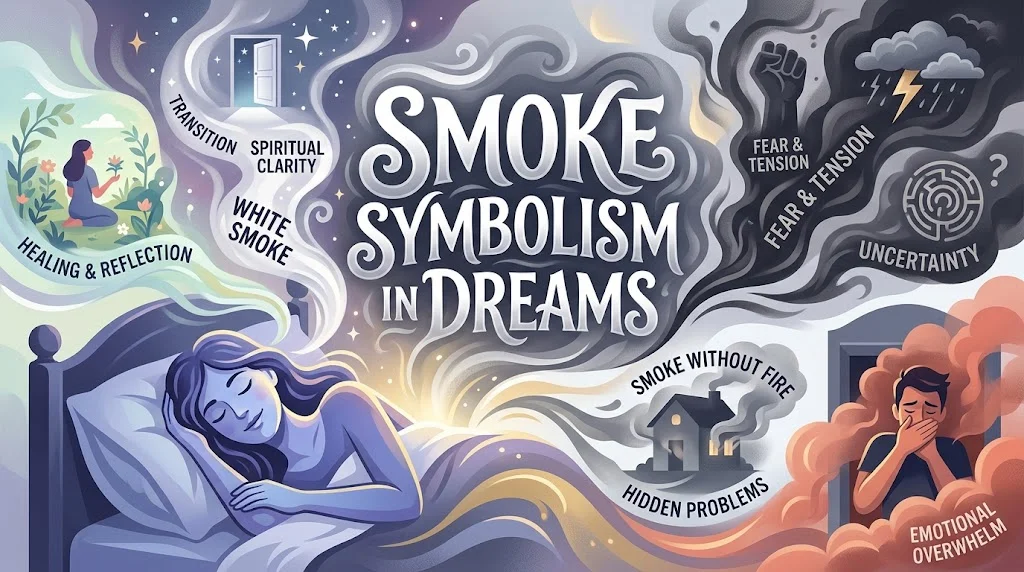
Dreams involving smoke usually reflect uncertainty, emotional confusion, or hidden truths. Still, dream meanings depend heavily on the details.
Common Dream Interpretations
• White smoke may symbolize transition or spiritual clarity
• Black smoke often represents fear or unresolved tension
• Smoke without fire may suggest hidden problems
• Choking smoke can reflect emotional overwhelm
• Gentle smoke may represent healing or reflection
Dream interpreters often focus on how the dreamer felt during the experience.
Why Smoke Appears in Dreams
Psychologically, smoke reflects situations that feel unclear or emotionally unstable. The mind uses smoke because it hides, shifts, and spreads quickly.
For example, someone under stress may dream of thick smoke when they feel emotionally trapped or uncertain about the future.
The Emotional Psychology of Smoke
Smoke symbolism connects deeply with human emotion because it activates instinctive reactions. People know smoke may signal danger, but they also associate it with warmth and ritual.
Emotional Associations
• Mystery and curiosity
• Fear and urgency
• Nostalgia and memory
• Calmness during rituals
• Sadness after destruction
This emotional contrast makes smoke especially powerful in symbolism.
Smoke and Memory
Scent plays a major role in emotional memory. Smoke smells often trigger vivid personal experiences.
For many Americans, smoke may recall:
• Family cookouts
• Autumn bonfires
• Fireplaces during holidays
• Cigarettes from earlier decades
• Wildfire seasons and evacuations
Because smell strongly connects to memory, smoke symbolism often feels deeply personal.
White Smoke vs Black Smoke Meaning
Smoke color dramatically changes symbolic interpretation. Across many cultures, color shapes emotional meaning.
White Smoke Symbolism
White smoke often represents:
• Spiritual purification
• Peace and transition
• Prayer or blessing
• New beginnings
• Hope after hardship
In modern culture, white smoke may also symbolize official announcements or resolution.
Black Smoke Symbolism
Black smoke usually symbolizes:
• Destruction or danger
• Anger and emotional heaviness
• Mourning or grief
• Hidden corruption
• Fear and uncertainty
Movies and news coverage strengthened these meanings in American culture.
Smoke Symbolism in Tattoos
Smoke tattoos have become increasingly popular because they can carry multiple meanings at once. Some people choose smoke imagery for its beauty, while others connect it to emotional or spiritual experiences.
Common Smoke Tattoo Meanings
• Personal transformation
• Survival after hardship
• Mystery and independence
• Spiritual growth
• Temporary nature of life
Smoke designs also blend well with skulls, fire, roses, wolves, or celestial imagery.
Why Smoke Tattoos Feel Personal
Unlike fixed symbols, smoke appears different every time. That fluid quality allows people to attach highly personal meanings to their tattoos.
For some, smoke symbolizes freedom. For others, it represents grief, rebirth, or emotional healing.
Smoke in Modern Wellness and Spiritual Trends
Smoke symbolism expanded in wellness culture during the 2010s and 2020s. Incense, candles, herbal smoke, and cleansing rituals became more visible online.
Modern Spiritual Uses
• Meditation spaces with incense
• Cleansing rituals before major life changes
• Smoke photography for mindfulness aesthetics
• Spiritual room cleansing practices
• Symbolic emotional release ceremonies
Social media also helped popularize smoke imagery as a visual symbol of calmness and introspection.
Cultural Conversations Around Appropriation
However, some practices sparked debate. Critics argue that sacred traditions are sometimes removed from their cultural context and turned into commercial trends.
Today, many Americans try to learn the origins of spiritual smoke practices before participating in them.
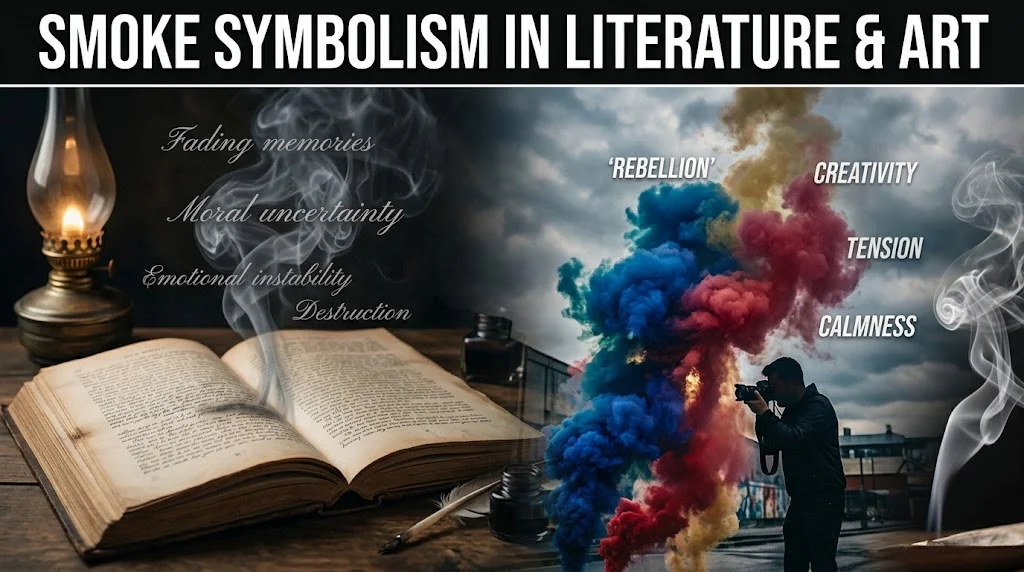
Smoke Symbolism in Literature and Art
Artists and writers often use smoke because it can represent both presence and disappearance simultaneously.
Literary Symbolism
Smoke commonly symbolizes:
• Fading memories
• Moral uncertainty
• Emotional instability
• Destruction after conflict
• Spiritual longing
Because smoke disappears quickly, it often represents fragile or temporary experiences.
Visual Art and Photography
Modern photographers frequently use smoke to create emotional atmosphere.
• Colored smoke suggests creativity or rebellion
• Gray smoke creates melancholy moods
• Thick smoke increases tension and drama
• Soft incense smoke evokes calmness
Today, smoke remains one of the most visually symbolic artistic elements.
Smoke and Environmental Meaning
In recent years, smoke symbolism in America gained new environmental meaning because of major wildfire seasons and air-quality concerns.
Wildfire Smoke and Collective Anxiety
For many Americans, wildfire smoke now symbolizes:
• Climate uncertainty
• Environmental fragility
• Loss of natural spaces
• Community displacement
• Health concerns and vulnerability
These newer meanings differ from older romantic ideas about campfire smoke or industrial progress.
Industrial Smoke and Changing Attitudes
In the early twentieth century, factory smoke sometimes symbolized economic growth and national power. Today, many people view industrial smoke more negatively.
That shift shows how symbolism changes alongside public values and social awareness.
Misunderstandings and Controversies Around Smoke Symbolism
Smoke symbolism is complex because its meanings vary widely between cultures and contexts.
Romanticizing Harmful Associations
Old films often connected cigarette smoke with sophistication and glamour. However, modern audiences increasingly view those images differently because of public health awareness.
This cultural shift changed how younger generations interpret smoke symbolism.
Respecting Sacred Traditions
Another controversy involves sacred smoke rituals from Indigenous traditions. Some Native voices argue these ceremonies should not become casual trends or decorative aesthetics.
Respectful learning and cultural awareness matter when discussing spiritual symbolism connected to living traditions.
How Smoke Symbolism Has Changed Over Time
Smoke symbolism constantly evolves. Meanings that once felt positive may later become negative, while older spiritual meanings sometimes return in new forms.
Earlier Meanings
• Industrial progress and modernity
• Military communication signals
• Sacred ritual purification
• Glamorous rebellion in cinema
Modern Meanings
• Emotional healing and mindfulness
• Environmental anxiety
• Mystery and psychological complexity
• Identity and personal transformation
Because smoke changes shape constantly, its symbolism naturally changes with society too.
FAQs About Smoke Symbolism
1. What does smoke symbolize spiritually?
Smoke symbolism often represents spiritual connection, transformation, purification, and communication with the divine. Its rising movement can symbolize prayers, guidance, and spiritual awareness.
2. What does smoke mean in a dream?
Smoke in a dream may represent confusion, hidden truths, uncertainty, or emotional changes. Clear or rising smoke can also symbolize hope, renewal, and a new beginning.
3. What does smoke symbolize in different cultures?
Across different cultural traditions, smoke represents purification, communication, mystery, and transformation. Its meaning often depends on religious beliefs, customs, and ceremonial practices.
4. What does white smoke symbolize?
White smoke commonly symbolizes peace, clarity, purification, and positive change. In some religious traditions, it also signals an important announcement or a new beginning.
5. What does black smoke symbolize spiritually?
Black smoke may symbolize uncertainty, hidden problems, emotional confusion, or warnings. However, its interpretation depends on the surrounding circumstances and personal beliefs.
6. Why is smoke associated with transformation?
Smoke changes shape and disappears into the air, making it a powerful symbol of impermanence and life transitions. It reminds people that change is a natural part of personal and spiritual growth.
Conclusion
Smoke symbolism carries deep spiritual, cultural, and dream meanings. Across ancient rituals, religious traditions, and everyday experiences, smoke can represent transformation, mystery, purification, communication, and the connection between the physical and spiritual worlds. Its meaning may change depending on its appearance, cultural background, and personal experiences.
Whether smoke appears in a dream, sacred ceremony, or symbolic artwork, it can encourage reflection on hidden truths, emotional changes, and new beginnings. Understanding these different interpretations helps us appreciate why smoke remains a powerful symbol of life’s uncertainty, continuous change, and spiritual awareness.

Sophia Wilson is a spiritual content writer and researcher at SoulMeanings.com, specializing in dream meanings, symbolism, spiritual insights, and personal growth topics that help readers navigate life’s journey with greater understanding.